
Building a Deck on a Sloped Yard in the Triangle

Daedalus Decks • April 20, 2026

Share this article

Building a deck on a sloped yard in the Triangle

If you live in the Raleigh-Durham area, there is a good chance your backyard is not perfectly flat. The Piedmont region is known for its rolling hills, which means many homes feature walk-out basements, sudden drop-offs, or gradually sloping grades. While a hilly yard can make outdoor living feel complicated, it actually offers a great opportunity for a highly customized outdoor space.

Building on uneven ground requires a different approach than throwing down a generic square footprint. The structural requirements change, the local soil plays a heavier role, and the way you navigate from the house to the grass requires careful planning. At Daedalus Decks, we approach new deck construction by looking at the actual grade and traffic flow of your property so we can build something that is safe, functional, and tailored to your daily life.

Why NC clay and sloping grades change the rules

The biggest mistake you can make with a sloped yard is ignoring the ground underneath it. The heavy red clay common in Wake, Durham, and Orange counties expands when wet and contracts when dry. Because of this, proper footings are non-negotiable.

North Carolina building codes require footings to sit at least 12 inches below the finished grade to pass the frost line. However, when you introduce a slope, hitting that 12-inch mark gets complicated. The footings often need to be dug deeper or stepped down the hill to ensure they rest in undisturbed, stable soil. If the hill is steep enough, the post embedment and footing sizes must increase to support the way the weight transfers down the structure. If a builder tries to cut corners on hidden supports here, heavy rains can easily undermine the footings and lead to dangerous structural shifts.

Handling height and structural safety

As the ground falls away from your house, the overall height of your deck relative to the yard increases rapidly. This triggers several specific building and safety requirements.

Any deck surface that sits more than 30 inches above the ground requires guardrails that are at least 36 inches high. For taller structures, you also have to consider how the deck manages sway. Elevated decks require lateral bracing, which means installing diagonal supports or knee braces to keep the frame rigid. Posts are also limited by height. For example, standard 4x4 posts cap out at certain heights before you have to upgrade to 6x6 posts to handle the vertical load securely.

Making the space usable: multi-level designs and smart stairs

A severe slope usually dictates the layout of the deck. Instead of forcing a massive, single-level platform high into the air, many homeowners opt for a multi-level or tiered design. Tiered decks step down gracefully with the terrain, breaking the space into distinct zones for dining, grilling, or lounging.

Planning the stairs

Stairs are often the trickiest part of a sloped yard project. If your yard drops off quickly, running a straight set of stairs straight down can result in an uncomfortably steep, long ramp that eats up too much yard space. Building codes restrict stair risers to a maximum of 7.75 inches and require treads to be at least 10 inches deep. Any stairway with four or more risers also legally requires a handrail.

To safely manage a steep drop, switchback stairs are usually the best solution. A switchback design zig-zags down the hill, using intermediate landings to break up the descent. This is much safer, feels less intimidating, and blends more naturally into the surrounding landscape.

Skirting and the space underneath

When you build out over a slope, you inevitably create open, shaded space beneath the deck framing. For lower decks, this space is easy to cover. For high, elevated decks, leaving the underside open is the most cost-effective option, but it exposes the structural framing and the dirt below.

Many homeowners in communities like Cary, Apex, and Wake Forest prefer to add deck skirting and privacy upgrades to clean up the look. Traditional lattice panels, solid skirting, or aluminum privacy screens are practical ways to close off the bottom or create secure storage space. Keep in mind that many local homeowners associations have strict rules about what the underside of a deck is allowed to look like, so you should always check your neighborhood guidelines before making a final decision.

Permits, septic lines, and erosion control

Building on a slope often means dealing with water runoff. Because clay soils do not drain well, heavy Raleigh rainstorms can lead to pooling water or erosion near your new foundation. A professional assessment will look at where the water naturally flows and may recommend simple erosion controls like swales or targeted seeding to protect the footings over time.

Additionally, towns across the Triangle have specific permitting hurdles. Wake County requires clear plot plans to verify the deck will not interfere with utility easements, well locations, or septic fields. An experienced local builder handles these compliance checks before the first hole is ever dug.

Common questions about sloped yard decks

Can I build a flat deck if my yard has a drastic hill?

Yes, you can build a level surface projecting out over a hill. We achieve this by using longer support posts, deep stepped footings, and proper lateral bracing. Alternatively, a multi-level deck can follow the natural contour of the yard.

Will we need a retaining wall before we can build?

This depends entirely on the site. A retaining wall is sometimes necessary to prevent severe erosion on extreme slopes, particularly for elevation changes greater than five feet over a short distance. In many residential yards, however, proper deck footings and thoughtful grading can eliminate the need for an expensive wall.

Will a deck on a slope wash out in heavy rain?

A properly installed deck should not wash out. By sinking footings below the frost line into undisturbed soil and managing the yard's drainage, the structure will remain stable even during heavy NC storms.

Get an honest assessment for your yard

A challenging yard does not mean you have to settle for an unsafe or awkward deck. It just means you need a builder who understands how to plan for the terrain, respect the soil, and design a layout that makes sense for your home.

If you are ready to stop worrying about the hill in your backyard and start actually using the space, we are here to help. Schedule a free on-site assessment so we can evaluate your yard's grade, discuss a custom deck layout, and provide an honest estimate.

Call Daedalus Decks at 919-523-8516 or email us at daedalusdeckbuilder@gmail.com to get started.

Recent Posts

By Daedalus Decks April 20, 2026
Practical guide to deck railing choices for Triangle homeowners, covering heights, materials, safety codes, and upgrade considerations based on real local conditions.
By Daedalus Decks April 20, 2026
A practical guide for Triangle homeowners on deck permits, inspections, timelines, and what to look for in a contractor who handles the process the right way.
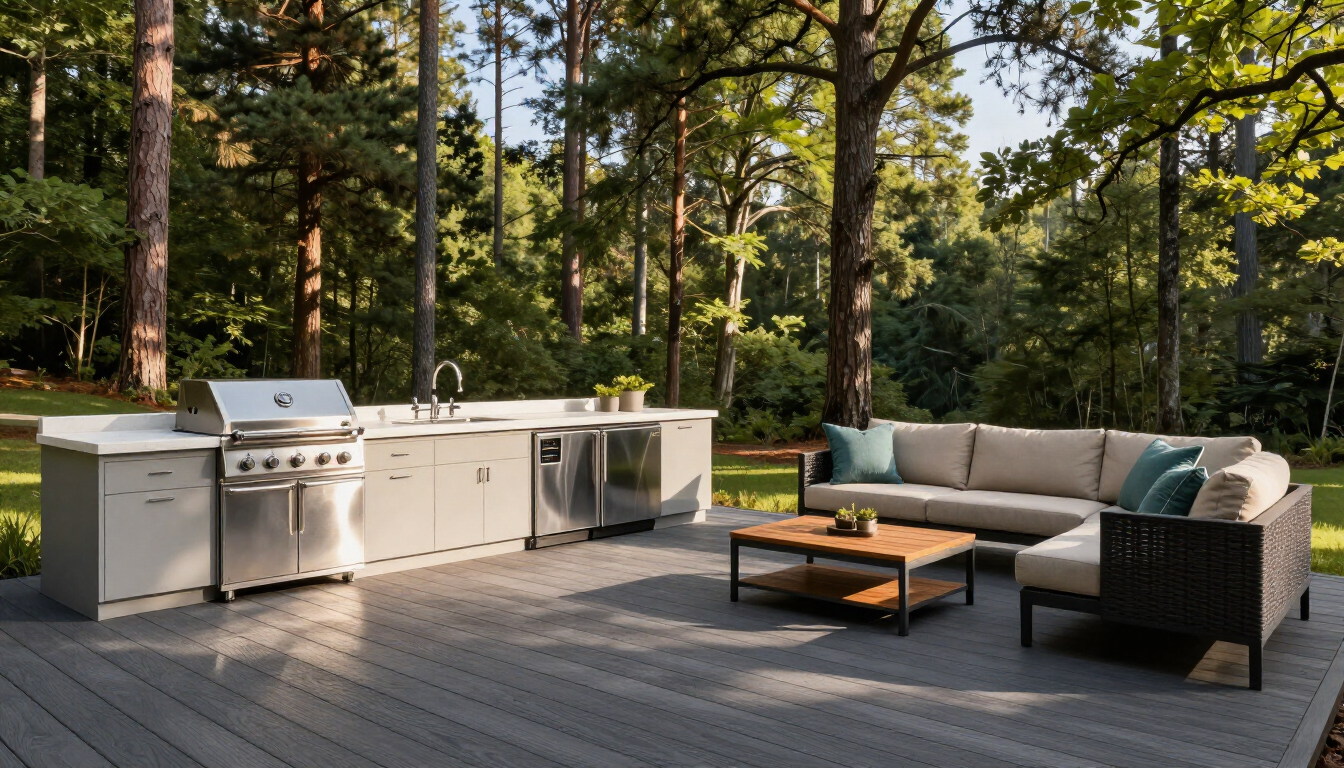
A beautiful custom deck in a Raleigh backyard.
April 20, 2026
Expert guide for Raleigh homeowners on planning a new deck. Learn how to prepare for a deck quote, questions to ask a deck contractor, and navigate HOA rules in the Triangle.
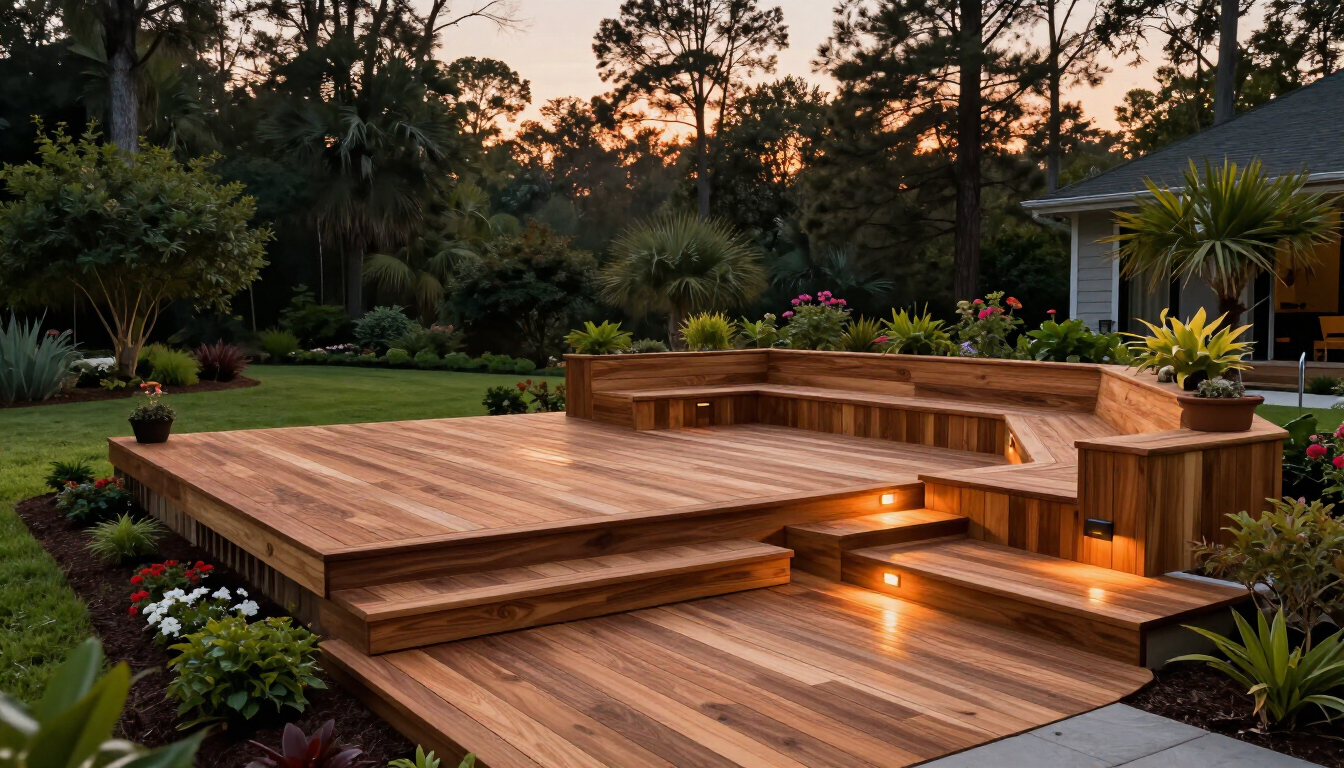
Professional custom deck construction in Raleigh NC
April 20, 2026
Discover how to hire the best deck builder in Raleigh NC. Our guide covers custom deck construction, materials, local building codes, and costs for homeowners in the Triangle.
Professional deck inspection and repair in Raleigh, NC
April 20, 2026
Deciding between deck repair Raleigh NC and full deck replacement Raleigh? Learn the signs of wood rot, structural issues, and when to rebuild your outdoor space.
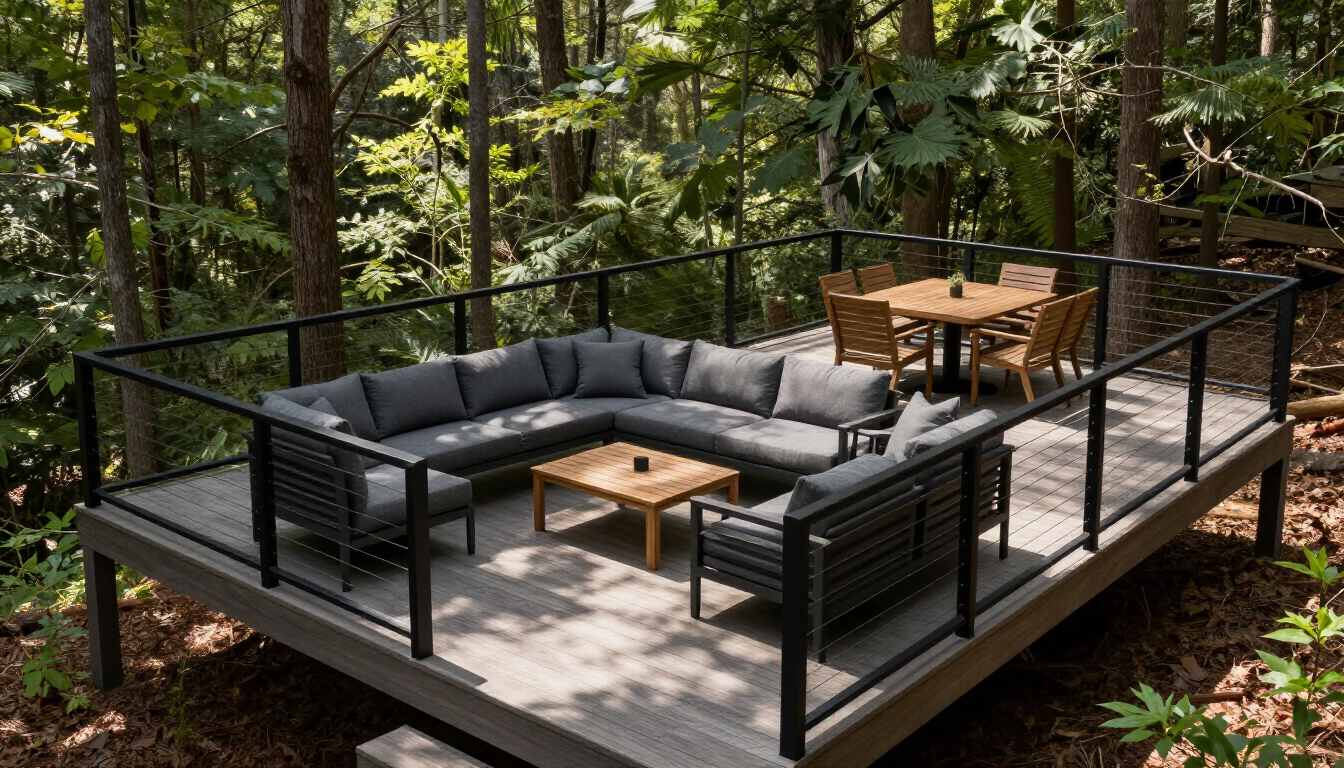
A high-quality custom composite deck in a Raleigh, NC backyard.
April 20, 2026
Discover the real deck cost in Raleigh, NC. From material choices like composite to labor and site prep, learn what impacts your new deck investment in 2026.
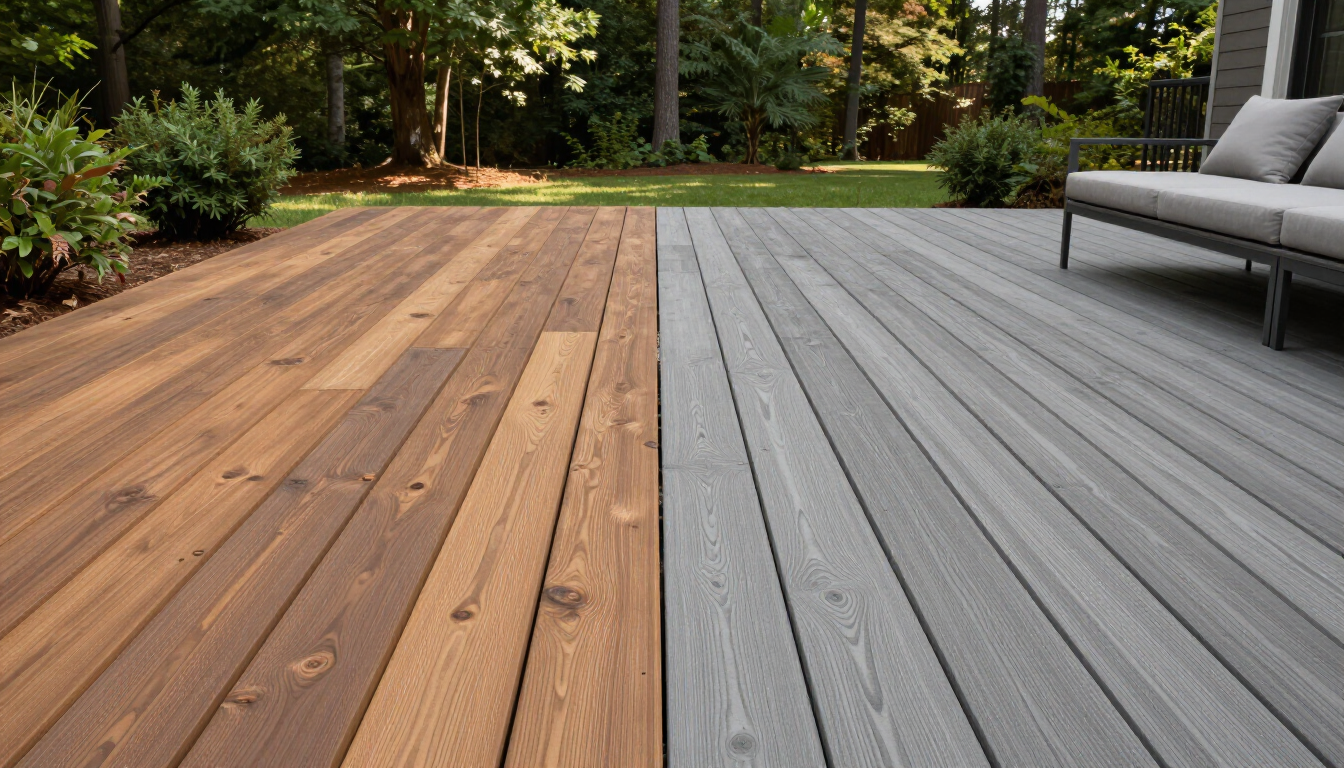
A modern backyard deck featuring a split design of natural cedar wood and sleek grey Trex composite decking in Raleigh, NC.
April 20, 2026
Comparing Trex composite vs wood decks for Raleigh homeowners. Explore costs, maintenance, and durability for the North Carolina climate in this expert guide.